No aceptar a los demás por el simple hecho
de ser distintos a nosotros hace que los demás no se sientan aceptados. Además, si queremos
perjudicarle conscientemente, a veces, los perjudicados podemos resultar
nosotros mismos. No hagas a los demás lo que no quieres que te pase a ti, es
una forma de acercarnos al concepto de empatía y reflexionar sobre el mismo.
FOR THE BIRD
Por escrito, responde a las preguntas
Lee tus respuestas en voz alta y grábalas con el móvil. Las espero en mi email.
Buenos días. ¡Ya terminamos la semana! Hoy estudiaremos LENGUA, INGLÉS, NATURALES y MÚSICA. Mucho ánimo y buen fin de semana.
LENGUA
Comenzamos corrigiendo los ejercicios de ayer. Ya sabéis como se corrigen con el boli rojo como lo hacíamos en clase. Por favor mandarme los ejercicios de matemáticas una vez corregidos para revisarlos.
Aprendemos los pronombres personales
Aquí tenemos la teoría. No es necesario que copies todo, el
primer párrafo no es necesario desde donde pone "Un pronombre personal se
corresponde con una persona:
y la tabla.
Par terminar con los
Para terminar con los pronombre por hoy realizamos los ejercicios correspondientes en SNAPPET.
Por favor hacedlos que veo que poquitos niños lo haceis
ENGLISH
We have learnt how to use the PAST SIMPLE in affirmative sentences. Now, we will learn how to use the PAST SIMPLE in negative sentences. We will need the auxiliary verb did. We will not use "ed" after the main verb.
(watch) Yesterday, I did not watched TV. ----- Yesterday I did not watch TV. didn't
1. IN YOUR NOTEBOOK, make 1 negative sentence for each verb: example: (Talk): Yesterday, I did not talk to my mum. (Watch): Yesterday, I did not watch a film on TV. a) (Play): b) (Listen): c) (Jump): d) (Walk): e) (Brush my teeth):
NATURAL SCIENCE
We have seen the properties of materials. We have given some examples of each property. Now, we will say which properties materials have.
1. Can you say whcih properties these materials have? Complete this table
Material ---Hardness---flexibility----resistance------thermal conduction----elasticity---solubility
Example Diamond hard rigid fragile thermal conductor inelastic insoluble
Iron
Wood
Bubble gum
Granite
(TIP you can find information on the internet in order to get HELP)
¡Hola, chicos y chicas de 4º! Soy Delfos. ¡Cuánto tiempo sin
saber de vosotros! Espero que os encontréis todos bien, y vuestras familias, y
con muchas ganas y ánimo de poder sobrellevar esta situación lo mejor posible.
¡Vamos, que ya queda menos para vernos otra vez!
Mirad, todos los viernes os voy a poner una entrada en el
blog para que no perdamos el contacto con la asignatura. En la entrada de hoy
vamos a seguir trabajando cositas que vimos en la Unidad 4 (Música de Asia y Oceanía) y aprendiendo
otras nuevas. Os voy a dejar con una presentación en la que aparecen resumidos
todos los contenidos de esta unidad. Creo que es bastante sencillito. Leer bien
todo lo que se explica, con los vídeos que acompañan al texto, que están muy
bien. En la última parte, aparecen unos grupos rítmicos nuevos, con audios y un
vídeo explicativo. Os encontraréis a la izquierda de cada diapositiva el menú
para visitar las diferentes páginas.
¡Pues, venga! ¡A empezar! La semana que viene haremos algunas actividades interactivas para comprobar si os habéis enterado de todo esto. ¡Nos vemos el viernes próximo!
Pulsando sobre los tres puntitos podéis elegir ver la presentación a pantalla completa
Para cualquier pregunta, duda o consulta podéis utilizar el apartado de Comentarios que viene debajo de esta entrada o a través de la siguiente dirección de correo electrónico: mitrabajoenelaula@gmail.com
Buenos días. Se acerca el fin de semana. ¡Mucho ánimo! Hoy nos toca MATEMÁTICAS, CIENCIAS SOCIALES e INGLÉS. Además, el viernes tendremos una sesión de MÚSICA.
MATEMÁTICAS
Buenos día campeones. Hoy nos toca practicar un poco con las medidas de capacidad. Para ello comenzamos pegando en el cuaderno o copiando la teoría.
Ahora ya practicamos un poquito
Mañana antes de empezar lengua os pongo los resultados para que lo corrijáis antes de enviármelos.
Si tenéis alguna duda preguntarme.
¡Se que lo vais a hacer genial!
SOCIAL SCIENCE
We have studied rivers in depth. Let's now focus on the rivers in Spain. Rivers in Spain flow to the Sea or the Ocean. The DRAINAGE BASIN, or WATERSHED, is the term we can use to classify the rivers into where they empty. They can empty in the MEDITERRANEAN DRAINAGE BASIN, the CANTABRIAN DRAINAGE BASIN and the ATLANTIC DRAINAGE BASIN.
Watch this explanatory video:
1. Write IN YOUR NOTEBOOK which WATER BASIN these river empty. a) Tajo: b) Duero: c) Júcar: d) Segura: e) Ebro: f) Miño: g) Nalón: h) Guadalquivir:
ENGLISH
We will introduce the PAST SIMPLE with regular verbs. The past simple is the tense used for things that hapened in the past. The auxilirary verb is DID. In affirmative sentences we just have to add ed to a regular verb.
Example: (Verb: work) Affirmative: Yesterday, I worked at home.
Negative: Yesterday, I didnot work at home.
Interrogative: Did I work at home yesterday?
Pay atention to this video:
1. IN YOUR NOTEBOOK, make 1 affirmative sentence for each verb: example: (Talk): Yesterday, I talked to my mum. (Watch): Yesterday, I watched a film on TV. a) (Play): b) (Listen): c) (Jump): d) (Walk): e) (Brush my teeth):
ANSWERS TO THE PREVIOUS TASKS
NATURAL SCIENCE
1. Mention two materials that are: a) ELASTIC: Rubber, lycra. (more materials can be correct) b) INELASTIC: Stone, wood. (more materials can be correct) c) SOLUBLE: Salt, Suggar. (more materials can be correct) d) INSOLUBLE: Stone, metal. (more materials can be correct)
Buenos días. Continuamos con nuestra rutina de trabajo. Hoy nos toca LENGUA, NATURALES y SOCIALES.
LENGUA
Hoy en lengua vamos a trabajar comprensión lectora. Para ello os dejo las siguientes fichas. Si podéis lo imprimís y sino vais haciendo los ejercicios en cuaderno
Para finalizar el día realizamos también la comprensión que os pongo en snappet. ¡Vamos capeon@s, sois los mejores!
NATURAL SCIENCE
We have seen some properties of materials. We will introduce two more.
Elasticity:
Elasticity is the property by which materials can stretch easily. They will be ELASTIC materials. Materials that do not stretch easily are INELASTIC.
Solubility:
If a material disolves in another material, it will be SOLUBLE. If it doen not disolve in another material, it will be INSOLUBLE.
1. Mention two materials that are: a) ELASTIC: b) INELASTIC: c) SOLUBLE: d) INSOLUBLE:
example:
a)ELASTIC: Latex, Lycra.
SOCIAL SCIENCE
We have seen the three courses in a river. But we can also find these concepts:
SOURCE
(Click to maximise)
WATERFALL
(click to maximise)
MEANDER
(click to maximise)
RIVER BED
River bed is the land over which a river flows
(click to maximise)
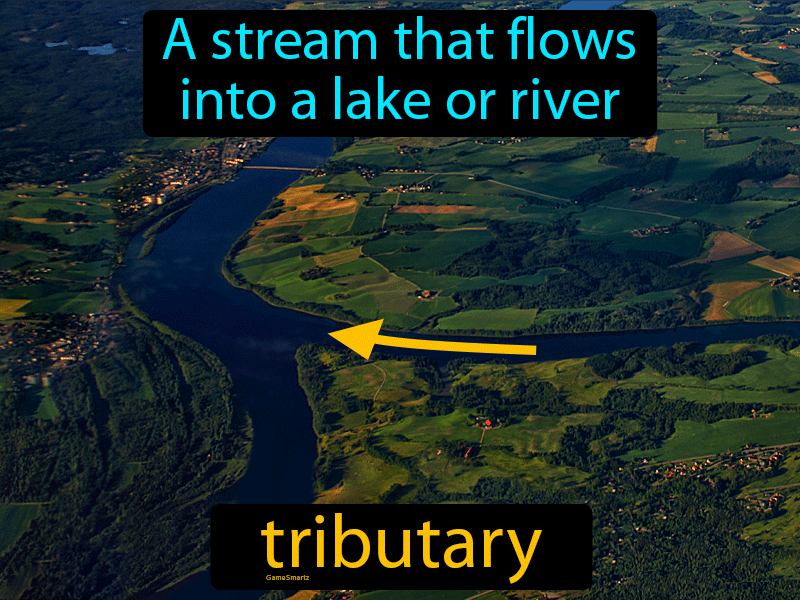
TRIBUTARY
A tributary is a river that empties into a bigger river. The point where they meet is called CONFLUENCE.
(click to maximise)
MOUTH
The mouth of a river is where the river meets the Sea or Lake. It can form a Delta.
1. Copy the previous concepts in your notebook.
ANSWERS TO THE PREVIOUS TASKS
NATURAL SCIENCE:
1. Say two materials for these properties: (More than these answers are correct, these are examples) a) HARD: diamond, metal. b) SOFT: Talc, gypsum. c) FLEXIBLE: Rubber, latex. d) RIGID: Stone, glass. e) RESISTANT: Stone, plastic. f) FRAGILE: Glass, diamond. g) CONDUCTOR: (a lot of metals) Copper, iron. h) ISOLATOR: Plastic, wood.
SOCIAL SCIENCE:
1. DEFINE the three courses of a river: a) Upper course: The upper course is the begining of a river. Water flows quickly, and the river is smaller. b) Middle course: In the middle course, the river quets bigger and wider. The flow of water starts to slow down. c) Lower course: The lower course is the last part of the river. The river gets wider, and water flows even more slowly. The river ends up in other rivers, lakes or seas.
Volvemos de las vacaciones y cada vez queda menos para que este confinamiento termine. Pensad siempre en positivo y tratad de distraer vuestra mente leyendo, estudiando o haciendo ejercicio aunque sea en el mismo salón de casa. Ánimo para todos y cuidad mucho de vuestra familia y vecinos. Nos echamos de menos.
Os dejo la tarea para hoy. Podéis contactar conmigo a través del e mail
El Príncipe Ceniciento:
Esta historia nos
muestra una versión diferente del tradicional cuento de "La
Cenicienta". Este nuevo enfoque del cuento tiene un gran valor educativo
para trabajar la igualdad, compartir las tareas de la casa y eliminar
estereotipos sexistas sobre roles de hombres y mujeres
Slap Her:
Cuando ponen a un niño frente a una niña y le piden
hacer cosas cariñosas o agradables ni se lo piensa ¿Qué pasa si le decimos que
le de una bofetada? Ningún niño nace maltratador pero todo se aprende en esta
vida. Ellos saben perfectamente lo que está bien y lo que está mal, pero el
entorno puede acabar siendo lo que condene su inocencia. Al menos para
pensárselo.
Buenos días. ¿Cómo ha ido la Semana Santa? Esperamos que estéis todos bien y que pronto nos podamos ver por el colegio.
¡Comenzamos el tercer trimestre!
Hoy nos toca MATEMÁTICAS, SOCIAL SCIENCE y NATURAL SCIENCE.
MATEMÁTICAS
LITRO MULTIPLOS Y SUBMULTIPLOS
Observamos estos vídeos que nos explican las medidas de capacidad.
Una vez vistos los vídeos nos vamos a snappet y hacemos la parte
relativa a los litros. Importante hacer el apartado 1 que vuelven a explicarnos
las medidas de capacidad.
SE QUE HAY ALUMNOS QUE HAN REALIZADO ESTOS EJERCICIOS PERO LA GRAN MAYORÍA NO, ASÍ QUE EMPEZAMOS REALIZÁNDOLOS. VENGA ÁNIMO
SOCIAL SCIENCE
We have worked on the different water bodies. Let's get deep into RIVERS. Pay attention.
1. DEFINE the three courses of a river: a) Upper course: b) Middle course: c) Lower course:
(TIP: You can help yourselves from the book page 46 and 47)
NATURAL SCIENCE
We have seen the difference between mass and volume and, also, the states of matter.
Pay attention to these videos. You will get to know materials, and their properties.
Hardness vs. softness:
Flexibility:
Resistance vs. fragility:
Materials are resistant if they are difficult to break. They are fragile if it is easy to break.
Thermal conduction:
Conductor materials are the ones that let the heat travel fast through them. The opposite is insulator materials. A material is insulator when they do not let the heat travel fast through them.
Tasks:
1. Say two materials for these properties: example) Hard: diamond, metal. Soft: Talc, gypsum. a) HARD: b) SOFT: c) FLEXIBLE: d) RIGID: e) RESISTANT: f) FRAGILE: g) CONDUCTOR: h) ISOLATOR:
(TIP: you can get help from your books, page 58)
ANSWERS TO THE PREVIOUS TASKS
ENGLISH
1. Affirmative answers: Yes, I could.
Negative answers: No, I couldn't.
1. Affirmative answers: Yes, I can.
Negative answers: No, I can't.